

The hangover recovery cycle typically involves several stages. As your BAC falls, you may start to feel the first signs of discomfort – a mild headache or a touch of nausea. These early symptoms often intensify as your BAC gets closer to zero. This explains why sometimes you feel worst after you’ve sobered up. Alcohol causes you to make more urine, which removes fluids from your body. That’s why you’re likely to wake up very thirsty after a night of too much drinking.
Support
- Understanding your limits and how alcohol affects your blood alcohol content is key to preventing a dangerous situation.
- It is important to stay hydrated, eat nutritious food, and get plenty of rest to prevent the symptoms of hangover.
Engaging in structured treatment programs, including detox and support groups, ensures a safer recovery. Some people experience shorter attacks due to faster nervous system recovery or effective coping strategies. Sober living house Others may have longer episodes influenced by environmental stressors or underlying health conditions.

Pacing and Moderation: The Art of Mindful Drinking
That pounding headache is often the most disruptive part of a hangover. Over-the-counter pain how long does a hangover last relievers can offer some relief, but you need to be careful. Ibuprofen or aspirin are generally safe choices for hangover-related aches.
The timeline depends on several things
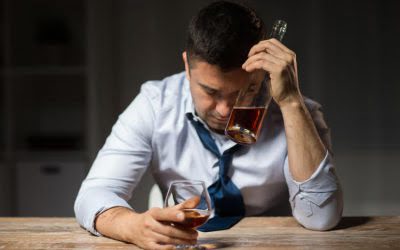
Your liver metabolizes the vast majority of alcohol, not your sweat glands. Exercising while drunk can actually be dangerous because you’re more prone to dehydration and injury. That is why getting behind the wheel the morning after can still land you an OVI charge if your body hasn’t had enough time to process everything you drank. But depending on how you’re tested, traces of alcohol can be detected for much longer. In cases like these, you may need a more comprehensive evaluation to gain more clarity.
Why do people get hangovers?
What you do before you even take your first sip can significantly impact how you feel later. Eating a balanced meal with protein, healthy fats, and complex carbohydrates before you go out can https://www.escueladeartesvocales.cl/2020/05/04/fetal-alcohol-spectrum-disorders-fasd/ slow the absorption of alcohol into your bloodstream. This helps prevent the rapid spike in blood alcohol content that often leads to a more intense hangover. Make it a habit to drink a full glass of water before you start drinking alcohol, and try to alternate each alcoholic beverage with a glass of water throughout the night. This simple routine keeps you hydrated and naturally helps you pace yourself. Research has not found a correlation between the extent of electrolyte disruptions and the severity of hangovers, or the impact of added electrolytes on hangover severity.
- Alcohol disrupts sleep patterns, leading to fatigue and cognitive impairment.
- However, it’s not unusual for the symptoms to last up to 24 hours.
- After this peak, symptoms gradually ease but can linger for up to half an hour or sometimes longer.
- The intensity of a hangover—and how long it sticks around—isn’t always straightforward.

Drinks with high congeners and sulfites can make you feel worse after a night of drinking. On average, the body processes one alcoholic drink per hour. Consuming many drinks in a short period increases the likelihood of a hangover after the effects of alcohol wear off. If you’ve ever dealt with a throbbing headache, a queasy stomach and general sense of regret after a night of drinking, you’re not alone. When it comes to the effects of alcohol after a night out, hangovers are a familiar and often unpleasant experience, resulting from drinking too much.


Leave a reply